
If you’ve spent time in Highland Park or Highwood, you know how much local parks, programs, and shared spaces can mean to a community. They’re where families make memories, neighbors connect, and people of all ages find opportunities to learn, play, and get involved.
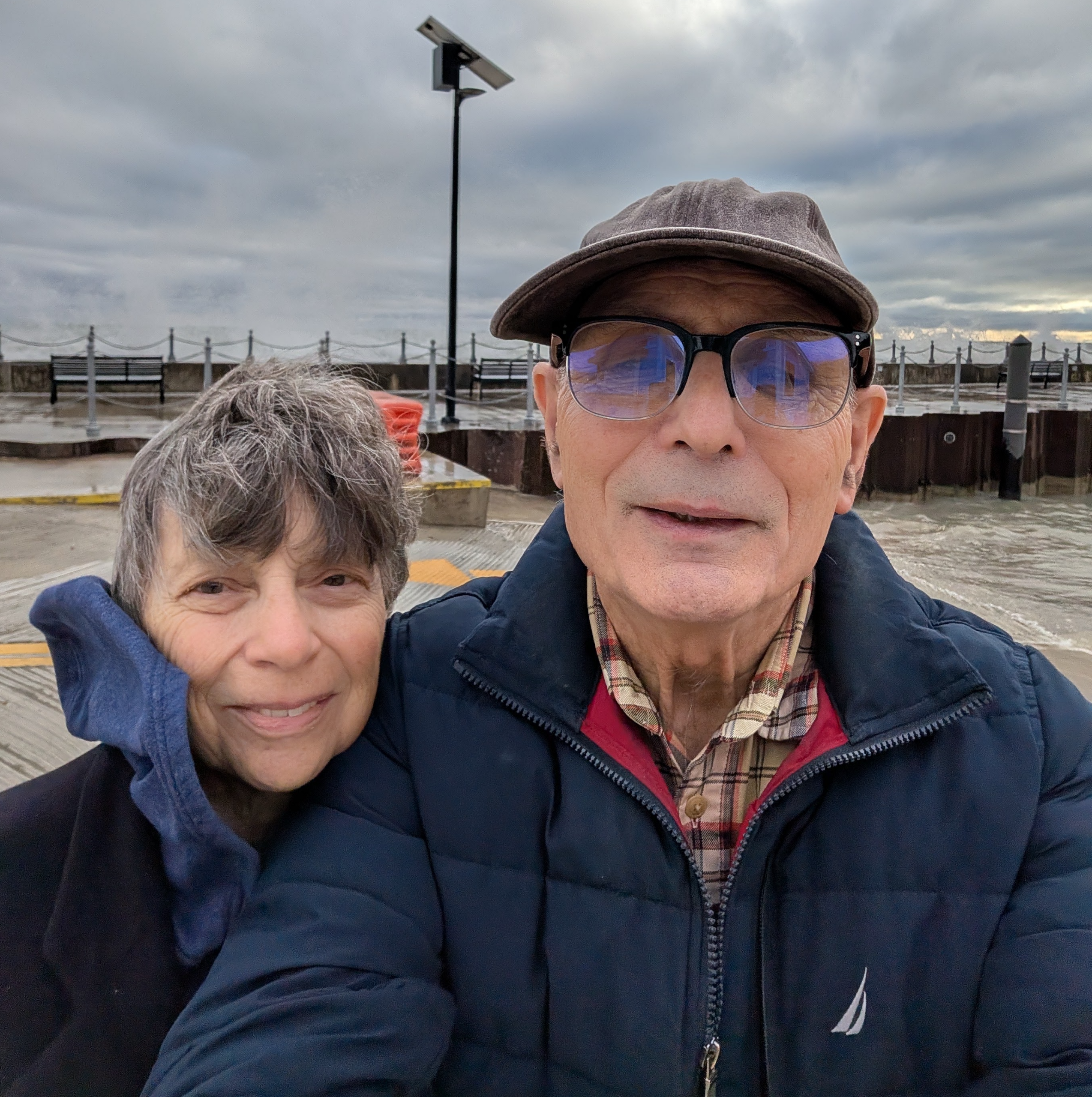
For Jean and David Sogin, supporting the Parks Foundation of Highland Park is one way to help make those experiences possible for years to come.
“We have become more interested in donating to places where we are personally involved,” Jean shared. “Donating to the Parks Foundation, for example, feels very personal.”
That connection grew through the Parks Foundation’s fundraising work for the Park Avenue Boat Launch project. Jean and David saw firsthand how the Foundation helped bring the project to life, and it left them thinking about how they could continue supporting an organization that makes a difference close to home.
Their experience also opened the door to a new conversation about charitable giving: how to support the causes they care about not only today, but in the future.
Like many people, Jean and David had thought about charitable giving in terms of donations made during their lifetimes. Planning for the future introduced them to another possibility: including charitable giving in their estate plans.
With guidance from their estate-planning attorney, Highland Park resident William Levy, a partner in Northbrook based Rhoades Levy Law Group P. C., they began exploring how their charitable priorities could extend beyond their lifetimes.
“We had thought in terms of lifetime gifts rather than legacy,” Jean explained. “We hadn’t really considered the alternative.”
Bill works with clients to understand their goals and explore how charitable giving might fit into their broader estate plans. He finds that these conversations can help people identify the organizations they care about and decide how they want their assets distributed in the future. These conversations often lead to broader discussions about optimizing the tax efficiency of charitable giving through various means, including Donor-Advised Funds (see below), donations of appreciated securities, Qualified Charitable Distributions from an Individual Retirement Account, and naming a charitable organization as the beneficiary of all or a part of an Individual Retirement Account or a 401(k) plan.
Sometimes, people already know exactly which organizations they want to support. Other times, the planning process helps them discover new ways to put their values into action.
For Bill, these conversations are an opportunity to help people understand the options available to them and find a tax-efficient approach that aligns with their charitable goals. That might mean planning a future gift through an estate plan and/or exploring ways to make charitable donations during their lifetimes.
Legacy giving, also known as planned giving, is a way to support a nonprofit through arrangements made for the future, often through a will or trust. A donor may choose to leave a specific dollar amount or make another type of charitable gift.
Another option for charitable giving is a Donor-Advised Fund (DAF). A DAF is a charitable giving account that allows donors to contribute assets in a tax-efficient manner to a fund and recommend grants to eligible nonprofit organizations over time.
For people who already have a DAF, supporting an organization like the Parks Foundation may be as simple as recommending a grant from their existing DAF. Rather than establishing a new giving arrangement, donors can use a resource they already have to support causes that matter to them.
A DAF can also offer flexibility for people who support multiple organizations or want to involve their families in charitable decisions. Families may use the grant-making process to discuss the causes they care about and pass their charitable values on to future generations.
For those considering how to give now and in the future, a DAF may complement other charitable plans, including an estate plan. The right approach depends on each person’s goals, circumstances, and fund sponsor.
As Bill explains, there isn’t one approach that works for everyone. Some people prefer to give during their lifetimes so they can see the impact firsthand. Others choose to include charitable gifts in their estate plans. And others yet choose both.
There can also be financial benefits. Depending on the type of gift and a person’s circumstances, charitable giving may offer tax advantages or help reduce the value of a taxable estate. Bill encourages people to explore their options with an estate-planning attorney and tax professional to determine what makes sense for them.
One of his biggest recommendations? Start by thinking about the causes that matter to you. Talking with a charitable organization before finalizing a gift can also help ensure your wishes are clearly understood, and your intended use for the gift is feasible.
Legacy giving doesn’t have to start with all the answers. Sometimes, it starts with a conversation.
For Jean and David, that conversation comes back to the community.
The Parks Foundation supports initiatives that benefit Highland Park and Highwood, including capital projects and scholarships that help make Park District opportunities more accessible.
Bill notes that personal connections often play an important role in charitable decisions. People want to support organizations whose missions reflect their values and whose work they understand.
Seeing the results of a project or knowing the people who benefit can make giving feel more meaningful.
For Jean and David, seeing the impact of the boat launch project made that connection real. Their story is a reminder that local giving can help turn community ideas into meaningful projects and create opportunities for others to enjoy.
Their experience is also a reminder that charitable giving doesn’t have to be directed toward a large, nationally recognized organization to make a meaningful difference. Supporting a local foundation can help create opportunities close to home, benefiting neighbors and future generations.
For Jean and David, exploring legacy giving has been an opportunity to think differently about how they can support the community they care about.
Their story also highlights the value of learning about the different ways charitable giving can work. Whether through direct donations, a Donor-Advised Fund, or a future gift included in an estate plan, there are multiple ways to support the causes that matter most.
Whether it’s supporting a local project, helping provide scholarships, or creating more opportunities for residents to connect, every act of generosity can play a part in strengthening our community.
The Parks Foundation welcomes conversations with community members interested in supporting local parks, programs, capital projects, and scholarships. Whether you’re considering a gift today or exploring future giving, we’d love to help you learn more about the opportunities to make a lasting difference.
Please consult your estate-planning attorney and tax or financial professional to discuss the options appropriate for your circumstances.